How to Choose the Best Weed Killer for Your Home and Yard
The best weed killer for your home and yard depends on three questions: What type of weed are you targeting? Where is it growing? What matters most to you—convenience, speed, control, or minimizing product use? Identifying those priorities can help you compare hand pulling, contact weed killers, and products intended for specific use sites. No single option is best for every weed or every outdoor area.
What type of weed do you have?
Start by determining whether the problem is a broadleaf weed, such as dandelion or clover, or a grassy weed, such as crabgrass. Product labels identify the weeds a formula is designed to control, so accurate identification matters. Also consider the weed’s life cycle and maturity. Young, actively growing weeds may be easier to manage, while established perennial weeds can require follow-up treatment or removal of the root system.
Where is the weed growing?
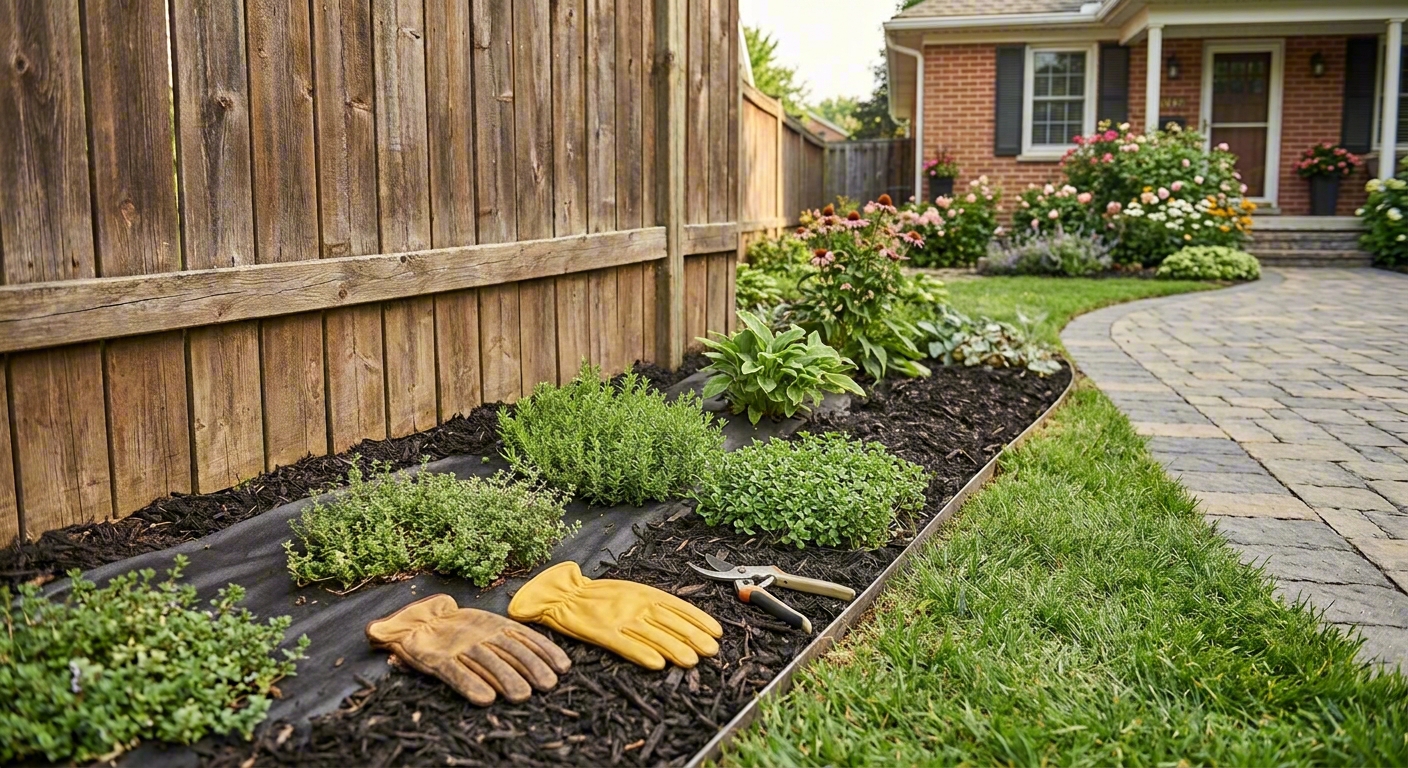
Location often determines which weed-control approach is appropriate. Driveway cracks, pavers, walkways, patios, mulch beds, and fence lines may be suited to a non-selective weed-and-grass killer when the label permits use in those areas. In garden beds or near desirable vegetation, hand pulling or precise spot treatment can help prevent unintended contact. Always use a product only in the locations listed on its label.
What is the difference between selective and non-selective weed killers?
Selective weed killers are formulated to control certain weeds while leaving specified desirable plants unharmed when used as directed. Non-selective weed killers can damage or kill many types of weeds, grasses, and other vegetation they contact. They are generally better suited to hardscapes, mulch beds, edges, and other areas where desirable plants can be avoided. Always confirm that the product is appropriate for the target weed, use site, and nearby plants.
How should you compare effectiveness and speed?
“Visible results” and complete weed control are not always the same. Some contact formulas begin working as soon as they coat and penetrate the leaves, disrupting plant tissues and causing the weed to dehydrate; visible effects may appear within an hour when the label makes that claim. Other products work more gradually. Compare the weeds controlled, expected timing, application conditions, rain guidance, and repeat-treatment directions. Established or regrowing weeds may need another application.
Do fast-acting weed killers work better?
Not necessarily. Fast-acting weed killers may produce visible effects quickly, but speed alone does not indicate complete control. Some contact formulas primarily affect the plant tissue they reach, while other products act more gradually. Compare the weeds controlled, expected results, and application directions on the label rather than choosing based only on how soon changes appear.
Will one application kill weeds completely?
One application may control some young or actively growing weeds, but established, perennial, or regrowing weeds may require another treatment. Results can vary with weed type, growth stage, coverage, and application conditions. Check the label for repeat-treatment timing and monitor the area before applying again.
When is hand pulling a good choice?
Hand pulling can work well for a small number of weeds, especially after rain when soil is moist. It avoids applying a weed-control product, but it can be time-consuming and may be less effective if roots, rhizomes, or seeds remain. A weeding tool, mulch, and routine monitoring can improve results. For larger or recurring infestations, a targeted product may be more practical.
What should you consider around people, pets, and bees?
Read the entire label before buying or applying any weed killer. Follow all directions for application, protective equipment, storage, and when people and pets may enter the treated area. Claims about use around people, pets, or bees are product-specific and depend on following the label. Minimize spray drift, avoid contact with desirable plants, and take care around flowering plants that may attract bees. When comparing options, consider the complete formulation, application rate, potential exposure, and label directions—not just a single familiar ingredient.
What is the best overall approach?
Choose the least intensive option that fits the weed, location, and size of the problem. Identify the weed, confirm the use site, and compare how quickly products work, whether they control weeds on contact, and whether repeat treatment may be needed. Also consider application design: a targeted sprayer can make cracks and edges easier to treat, while a larger ready-to-use sprayer may be more practical for broader areas. Whether you pull by hand or use a product, precise treatment, mulch, and early removal can support better long-term control.