The Best Ways to Prevent Weeds Along a Wooden Fence
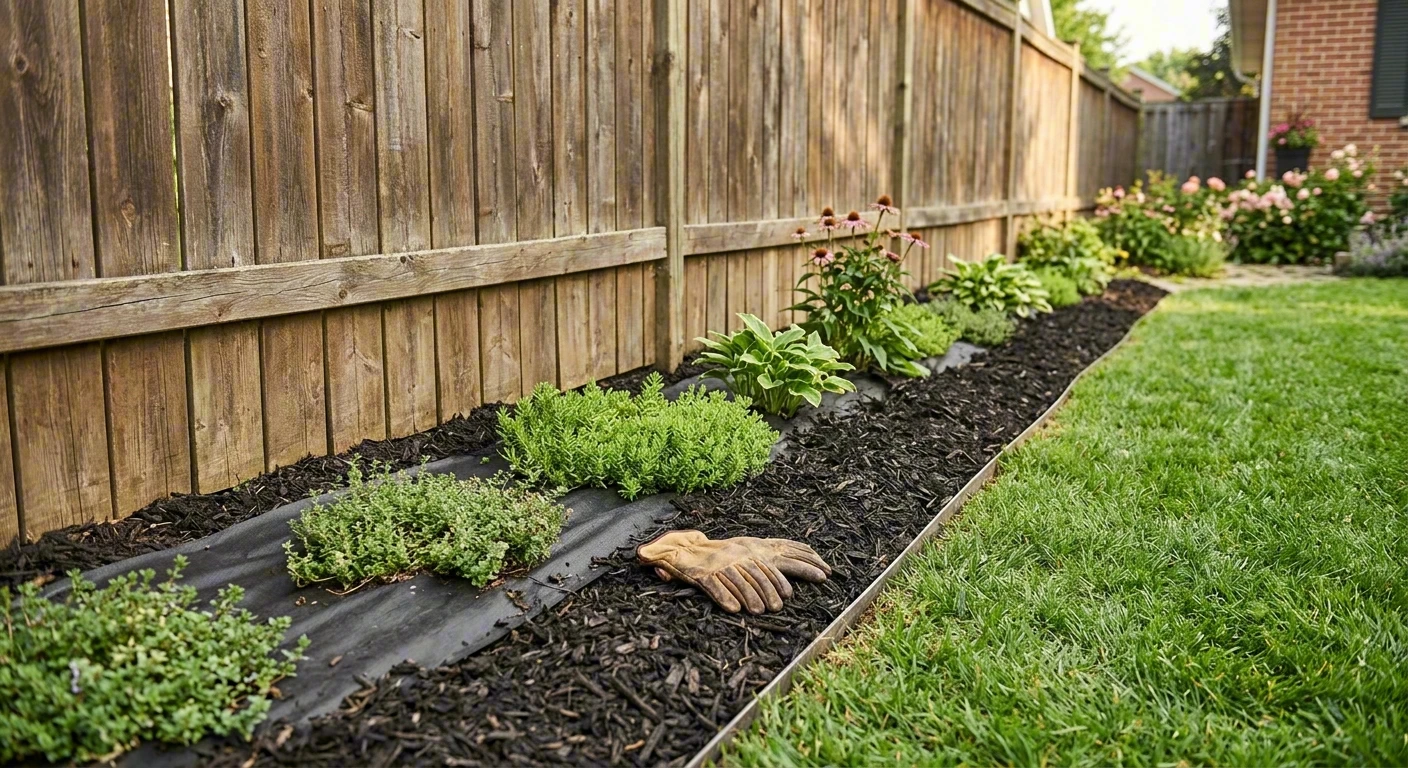
Weeds along a wooden fence can make a yard look untidy, compete with nearby plants and hold moisture against the fence. The most effective approach combines ongoing maintenance with measures that make the fence line less favorable for new growth. It also helps to distinguish weed prevention from weed removal: prevention reduces the chance that weeds will establish, while removal addresses weeds that are already growing.
Why Do Weeds Grow Along Fence Lines?
Fence lines are easy to overlook during mowing and trimming. Wind, birds and runoff can deposit seeds at the base of the fence, while gaps or disturbed soil provide places for them to germinate. Moisture may also linger where airflow and sunlight are limited. Because a wooden fence can be damaged by repeated contact with wet vegetation, controlling growth early can support both a neater landscape and easier fence maintenance.
What Is the Difference Between Preventing and Removing Weeds?
Prevention is proactive. It includes covering bare soil, limiting seed germination and maintaining a clean border that is easy to inspect. Removal is reactive and may involve hand-pulling, digging, trimming or applying an appropriate weed treatment. Existing weeds generally need to be removed or controlled before a preventive barrier is installed; otherwise, established roots and stems may continue growing through or around the material.
Which Physical Barriers Help Prevent Weeds?
After clearing the fence line, create a defined strip beneath or beside the fence. Depending on the site, useful options include:
- Mulch: A maintained layer of wood chips or bark can block light and make new weeds easier to pull. Keep mulch from piling directly against wooden boards or posts.
- Stone or gravel: A narrow band creates a durable, mow-friendly border. Edging can help keep stones in place and reduce soil movement.
- Landscape fabric: Permeable fabric placed beneath mulch or stone can suppress some growth while allowing water to drain. Install it correctly and inspect it periodically because soil and organic matter can accumulate on top.
- Solid edging or mowing strips: Pavers, concrete edging or another defined border can separate lawn from fence and reduce the areas that a mower cannot reach.
How Should You Maintain a Weed-Free Fence Line?
Inspect the area regularly, especially during periods of active growth. Pull small weeds before they set seed, trim grass that the mower misses and replenish displaced mulch or gravel. Remove leaves, soil and clippings that collect along the barrier, since this debris can create a new growing surface. When hand-pulling, work when the soil is slightly damp and remove as much of the root as possible.
If a weed-control product is needed, identify the target weed and choose a product labeled for the intended location like Spruce weed and grass killer that starts working on contact to dehydrate the weeds from the inside out to effectively target and eliminate unwanted growth. Follow the label, protect desirable plants and avoid applying treatment to the wooden fence unless the directions permit it. Remember that treatment removes or controls current weeds; it does not replace ongoing prevention.
What Is the Best Long-Term Approach?
The best long-term strategy is a combination of removal, prevention and routine upkeep. Start by clearing existing weeds, then install a barrier suited to the yard’s drainage, appearance and maintenance needs. Regular inspections and prompt removal of new growth will help keep the fence line manageable while reducing repeated, labor-intensive cleanup.