Spring Clean Your Lawn: 3 Simple Tips to Kill Weeds Like a Pro
Spring is a beautiful season for homeowners as greenery returns and flowers bloom. However, with this season also comes the inevitable battle against aggressive weeds. As temperatures rise and days grow longer, weeds thrive in the ideal growing conditions of spring. These unwanted invaders can quickly take over not just lawns but also gardens, landscaped areas, hardscapes like patios and driveways, and garden beds, competing for nutrients, water, and sunlight. Controlling weeds early in the season can help maintain the aesthetics of your outdoor spaces.
In this guide, we’ll focus on weed control strategies for areas beyond the lawn. Specifically, we will discuss how to combat weeds growing in hardscape cracks, landscaped beds, and other common spaces where weeds often emerge. With the right weed killer for spring, such as Spruce Weed & Grass Killer, you can help stop these weeds before they establish deep roots, so you have more time to enjoy the summer.
Timing is Everything with Weed Control
When it comes to spring weed control, timing is everything. The earlier you act, the better your results will be. Weeds grow rapidly in spring due to increased moisture and warmth, and once they establish roots, they spread quickly. Tackling weeds early in the season not only helps stop their growth but also helps prevent them from producing seeds that could cause problems throughout the year.
In landscaped areas and hardscapes, weeds take advantage of small cracks, crevices, and disturbed soil, making them difficult to control. So whether you are just starting out, or the weeds have already taken hold, here are three tips to help prepare you in your fight against weeds.
Tip #1: Know Your Enemy (Controlling Common Spring Weeds)
Weeds that emerge in landscaped beds and hardscapes in the spring can be particularly troublesome. Here are four common spring weeds that often take root in landscapes, raised beds, cracks and paved areas:
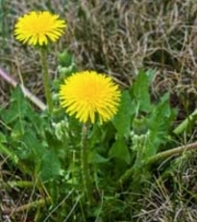
Dandelion (Taraxacum officinale)
A familiar sight in spring, dandelions are known for their bright yellow flowers and resilient taproots. They often grow in sidewalk and driveway cracks, making them difficult to remove once established. Dandelions reproduce through both seeds and their deep roots, so addressing them early is crucial.
Control Tip: For hardscapes, using an herbicide like Spruce, hand-pulling dandelions or using a specialized weeding tool can help, especially if you can remove the entire taproot. In landscaped beds, a pre-emergent herbicide can stop dandelion seeds from germinating, while a post-emergent herbicide, like Spruce can target weeds that have already sprouted.
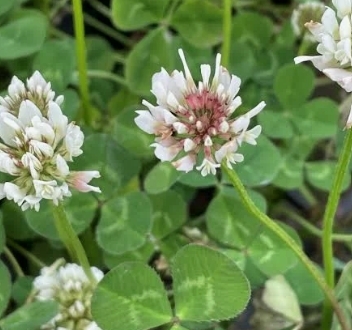
White Clover (Trifolium repens)
Clover, known for its iconic three-leaflet leaves and white flowers, is attractive to bees and other pollinators. Clover is an invasive grower because its roots spread out far and fast. Also, each of those white flowers is made up of 40 to 100 florets, and contains up to 600 seeds!
Control Tip: If you like it, leave it! If you find clover undesirable or in areas that you do not want it, such as in landscaped or hardscaped areas, you can manually remove it by pulling up roots thoroughly, spread mulch deeply, or spot treat with an herbicide like Spruce. Do not spray clover with herbicides if bees are actively foraging in the area.
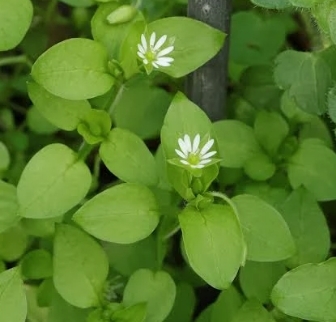
Common Chickweed (Stellaria media)
Chickweed is a widespread, low-growing weed and thrives in early spring. It spreads rapidly through prolific see production and roots. Chickweed should be controlled before it flowers, as an average plant can produce 25,000 seeds which can accumulate in soil.
Control Tip: Chickweed’s shallow roots make it easy to remove by hand, however, it can re-root from fragments if not fully removed. So save time by using an herbicide like Spruce, a hardworking and worry-free weed killer that dehydrates weeds to death, so you have more free-time to enjoy!
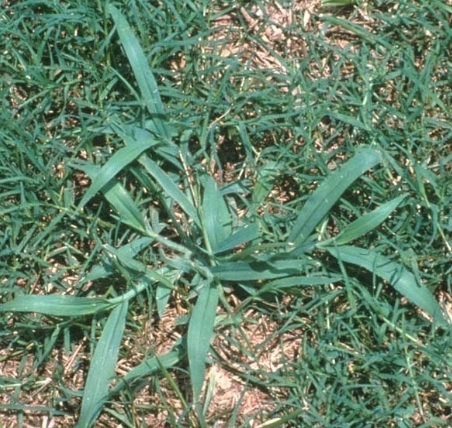
Large Crabrass (Digitaria sanguinalis)
Large Crabgrass is low growing and spreads by seed as well as rooting at stem nodes in contact with soil. It thrives in sunny, hot, and dry conditions, and starts invading garden beds in spring. Seed production from a single Large Crabgrass plant can exceed 100,000 seeds!
Control Tip: Remove or treat large crabgrass at first signs of growth to help prevent it from spreading rapidly. You can help control large crabgrass by hand-pulling, mulching to block sunlight needed for seed germination, or for best results, use a fast-acting contact herbicide, like Spruce, to do the hard-work for you!
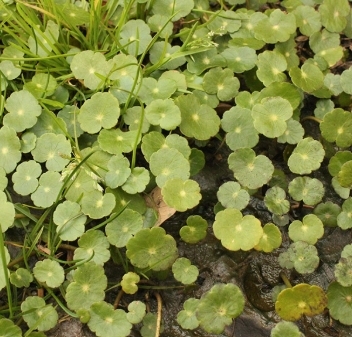
Dollarweed (Hydrocotyle vulgaris)
Dollarweed is a warm-season perennial, with silver-dollar shaped leaves that look like tiny lily pads. It is a common and persistent weed, especially in the Southeastern US. It thrives in overwatered or poorly drained soil, and spreads via seeds, rhizomes and tubers.
Control Tip: Since Dollarweed thrives in overwatered and poorly drained soil, allow the landscape to dry out between watering. Improve drainage by aerating compated soil. You can remove Dollarweed by hand-pulling, but the rhizomes must be removed to prevent regrowth. Or use a product like Spruce for fast and effective weed control with visible results in 1 hour and dead weeds in a day!
Tip #2: Understand Weed Control Types and Solutions
If you’re looking for the ultimate weed defense, there are two types of weed control you should get familiar with:
-
Stopping Weeds Before They Start: These are called pre-emergent herbicides. They're like a force field, blocking weed seeds from sprouting in the first place. Important to note that Spruce is not a pre-emergent herbicide and is also non-selective, so it will kill any weeds or grass you spray it on. Spruce is not recommended for use on lawns as it will kill your grass!
-
Taking Out Weeds That Are Already There: These are post-emergent herbicides, like Spruce. They zap weeds that have already popped up, stopping them in their tracks. Using Spruce to kill these weeds early in the season helps make weed control more manageable through the Spring/Summer months.
By identifying your weed enemies and using the right products at the right time, you can significantly reduce the number of weeds and help maintain a cleaner, more attractive landscape.
Once weeds have emerged in spring, post-emergent herbicides become necessary. These herbicides kill weeds that are already growing, making them an effective solution for hard-to-reach spots in hardscapes.
(Bonus Tip) Using Post-Emergents (like Spruce)
-
Apply when weeds are young and actively growing. Most post-emergents work best when temperatures are mild and sunny (above 50°F and below 85°F).
-
Shield desirable plants/grass when spraying weeds, as overspray or drift injure or kill contacted plants.
-
Apply on a dry day when no rain is expected for at least 24 hours, although many of these products are rainproof after a period of time.
-
Spray the herbicide directly on the weed’s foliage, ensuring thorough coverage.
Tip #3: Avoid These Three Common Mistakes For Eliminating Weeds
Even with the best intentions, it’s easy to make mistakes when controlling weeds in the spring. Here are a few common pitfalls and how to avoid them:
Mistake 1: Waiting Too Long
Procrastination is one of the biggest challenges in weed control. Waiting until weeds are fully established allows them to produce seeds and spread further. Tackling weeds early is essential to prevent them from taking over your landscaped beds or hardscapes.
Mistake 2: Using Too Little
Spruce works best when the entire plant is covered, from the top to the bottom, and at the first signs of weed growth. For optimal experience, use Spruce frequently throughout the season as weeds emerge, not just once!
Mistake 3: Neglecting Regular Maintenance
Maintaining an attractive landscape through regular weeding is key to long-term weed control. Neglecting maintenance allows weeds to establish themselves more easily, especially in areas like garden beds and along hardscape edges. Letting weeds become overgrown makes the job much more difficult. Keeping weeds under control throughout the season saves you time and money!
Final Thoughts
For fast, and effective weed control in landscaped areas and hardscapes, Spruce is an excellent choice for non-selective post-emergent treatment. Spruce works on contact, quickly absorbing through the leaves and attacking the weed from the inside out. By dehydrating the plant and bursting its cell membranes, it prevents the weed from retaining water or photosynthesizing, leading to its demise. Within just one hour, you’ll notice visible results, like wilting, browning, leaf curling, making it an ideal solution for patios, driveways, mulch-beds and other landscaped areas. Even better, Spruce is a worry-free weed killer and is safe for use around people, pets and bees when used as directed. Interested in trying Spruce? Shop our Weed Killers now.
Spring weed control is all about timing, strategy, and consistency. Whether you’re dealing with weeds in hardscapes, landscaped beds, or other outdoor areas, addressing the problem early in the season is crucial. By identifying common spring weeds, using pre- and post-emergent herbicides effectively, and maintaining your landscape, you can keep your outdoor spaces weed-free throughout the spring and summer.
Weeds may be persistent, but with the right approach, you can keep them from taking root and spoiling the beauty of your property. Act now, and you’ll save yourself a lot of time and money later in the season.